Learning About Tooth Decay and Treatment Options
A toothache isn’t the only sign that you may have a cavity. In fact, tooth decay can develop without noticeable symptoms, especially early on. If you’ve noticed a white spot on your tooth, increased sensitivity, or a small dark area, you may be wondering whether the problem will go away on its own.
So, can cavities heal on their own? The answer depends on how far the tooth decay has progressed. In some cases, remineralization can reverse early enamel damage. However, once a cavity creates a physical hole in the tooth, it cannot repair itself. Professional dental treatment is typically necessary to remove the decay and restore the affected area.
At Serenity Advanced Dentistry, we provide comprehensive, patient-centered dental care for individuals and families throughout Stroudsburg, Bethlehem, and surrounding communities. Our team focuses on identifying dental concerns early and recommending treatment based on each patient’s individual needs.
If you’re looking for a dentist, contact our Bethlehem dental office at (610) 866-3161 or our Stroudsburg dental office at (570) 992-2121. We proudly serve patients from East Stroudsburg, Allentown, Bangor, and nearby communities.

Can Cavities Heal on Their Own?
Not all tooth decay is the same. The earliest stages of decay may be reversible, but established cavities cannot heal without professional treatment. To understand the difference, it’s helpful to know how cavities develop.
Your mouth naturally contains bacteria that feed on sugars and carbohydrates from the foods and drinks you consume. These bacteria produce acids that attack tooth enamel, gradually weakening its protective outer layer. Over time, repeated acid exposure can cause minerals to leave the enamel. This process is called demineralization.
Fortunately, your saliva and fluoride can help replace some of these lost minerals through a process called remineralization. If tooth decay is caught early enough, before a hole forms in the enamel, remineralization may help strengthen the affected area and stop the progression of early decay. However, once the enamel breaks down and a cavity forms, the tooth cannot rebuild the missing structure on its own. A dentist will typically need to remove the decayed portion and restore the tooth.
What Is the Difference Between Early Tooth Decay and a Cavity?
Early Tooth Decay
Early tooth decay occurs when minerals begin leaving the enamel, but the tooth’s surface remains intact.
You may notice:
- White or chalky spots on the teeth.
- Slight changes in the appearance of the enamel.
- Areas where the enamel appears less shiny.
At this stage, the damage may be reversible with appropriate preventive care.
Your dentist may recommend fluoride treatments, improved brushing and flossing habits, and dietary changes to support remineralization.
Established Cavities
When tooth decay progresses beyond the early stages, the enamel can break down and develop a physical hole.
Signs may include:
- Visible pits or holes in the teeth.
- Brown, black, or dark spots.
- Increased sensitivity to hot, cold, or sweet foods.
- Pain when chewing.
- Persistent tooth discomfort.
Once a cavity forms, remineralization cannot rebuild the missing tooth structure. Treatment, such as a dental filling, may be necessary to restore the tooth.
Why Can’t Established Cavities Heal on Their Own?
Tooth enamel is the hardest substance in the human body, but it doesn’t contain living cells that can regenerate lost tooth structure. Although minerals from saliva and fluoride can help strengthen weakened enamel, they cannot rebuild a portion of the tooth that has already been destroyed by decay.
As a cavity progresses, bacteria can continue damaging the tooth and may eventually reach the softer dentin beneath the enamel. If decay continues untreated, it may eventually reach the dental pulp, which contains the tooth’s nerves and blood vessels.
Depending on how advanced the damage becomes, treatment may involve:
- Dental fillings: Used to remove decay and restore a tooth when the damage is relatively limited.
- Dental crowns: May be recommended when a tooth has extensive decay or needs additional structural support.
- Root canal treatment: May be necessary if decay or infection reaches the dental pulp.
- Tooth extraction: May be recommended when a tooth is too damaged to be restored.
Seeking treatment early can help preserve more of your natural tooth structure and may reduce the need for more extensive procedures.
What Are the Early Signs of a Cavity?
Cavities don’t always cause pain, particularly when they are small or limited to the enamel. Some common signs include:
- White spots: Chalky white areas may indicate early mineral loss in the enamel.
- Dark spots: Brown or black discoloration can sometimes indicate tooth decay.
- Tooth sensitivity: You may notice discomfort when eating or drinking something hot, cold, or sweet.
- Visible holes: Small pits or openings may indicate that decay has progressed.
- Toothache: Persistent or recurring pain may indicate more advanced decay.
- Food getting stuck: Certain areas of tooth damage can create spaces where food particles become trapped.
What Can You Do to Stop Early Tooth Decay?
Use Fluoride Toothpaste
Fluoride helps strengthen tooth enamel and makes it more resistant to acid attacks.
Brush twice daily with fluoride toothpaste to help protect your teeth and support enamel remineralization.
Maintain a Consistent Oral Hygiene Routine
Brushing and flossing help remove plaque and food particles that contribute to tooth decay.
You should generally:
- Brush twice a day for two minutes.
- Use a soft-bristled toothbrush.
- Clean between your teeth daily.
- Replace your toothbrush every three to four months.
- Follow any additional recommendations from your dentist.
Limit Sugary and Acidic Foods and Drinks
Frequent exposure to sugars gives oral bacteria more opportunities to produce acids that damage enamel.
Try to limit:
- Sugary beverages.
- Candy and sweets.
- Frequent snacking on sugary foods.
- Acidic drinks.
- Foods that stick to your teeth.
Drinking water throughout the day can also help wash away food particles and support saliva production.
Consider Professional Fluoride Treatments
Depending on your risk of tooth decay, your dentist may recommend professional fluoride treatments.
These treatments provide additional protection and can help strengthen weakened enamel. However, fluoride cannot repair an established cavity or replace missing tooth structure.
Can a Cavity Go Away If It Doesn’t Hurt?
No. The absence of tooth pain doesn’t necessarily mean a cavity has healed or that the tooth is healthy. Cavities can develop gradually without causing noticeable symptoms. Early decay may not produce pain, and even more advanced cavities can sometimes remain relatively painless.
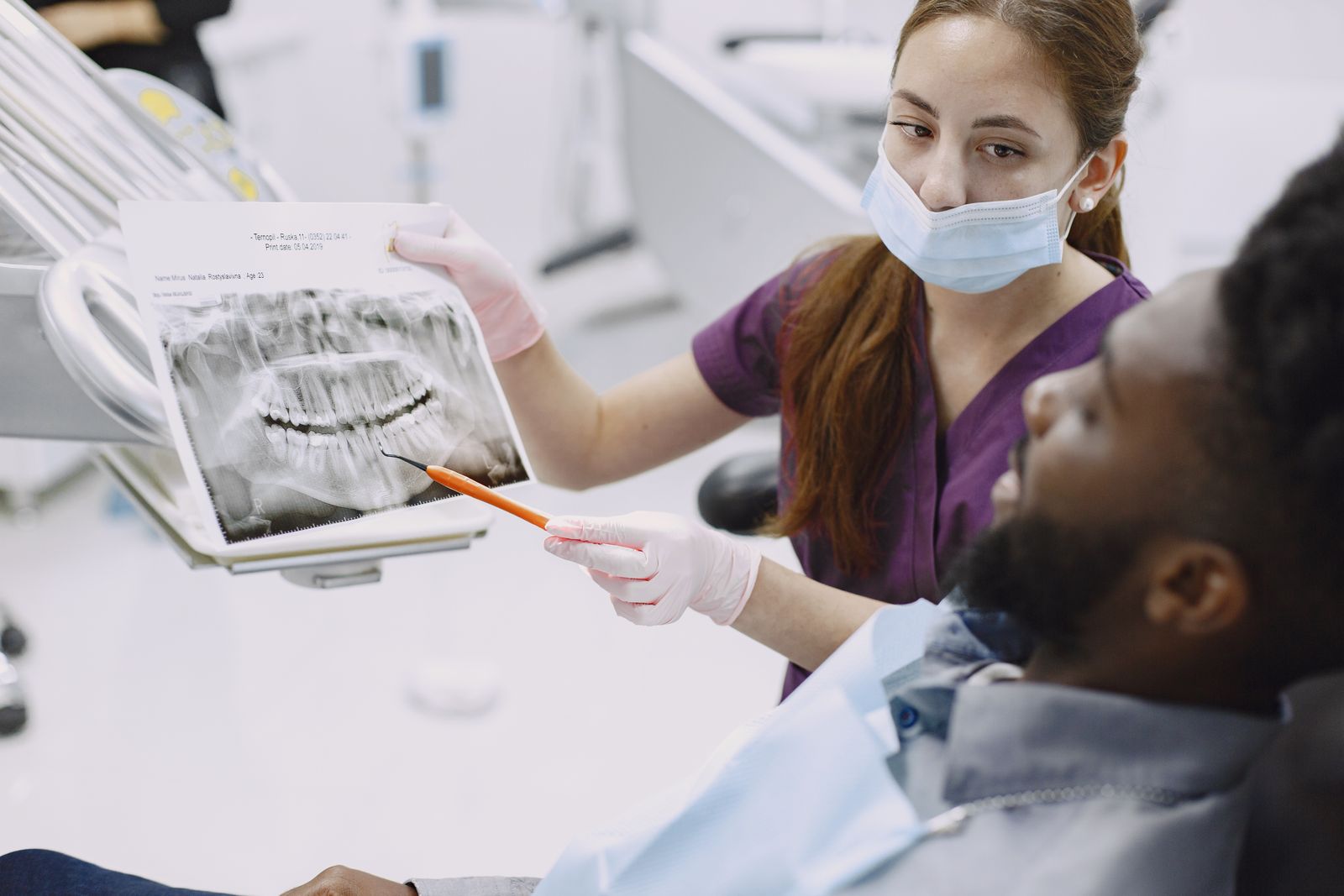
Waiting until a tooth hurts can allow decay to progress and potentially affect deeper structures. If you notice a dark spot, visible hole, or unexplained sensitivity, schedule a dental examination rather than waiting for discomfort to develop. At Serenity Advanced Dentistry, we use comprehensive examinations and diagnostic technology to evaluate your teeth and identify potential concerns.
How Does a Dentist Treat a Cavity?
Fluoride Treatment for Early Decay
If the enamel has weakened but remains intact, your dentist may recommend fluoride and other preventive measures to encourage remineralization.
Dental Fillings
When a cavity has formed, a filling is often used to restore the tooth.
The dentist removes the decayed portion and fills the space with an appropriate restorative material. Tooth-colored fillings are commonly used to restore the appearance and function of affected teeth.
Dental Crowns
If decay has damaged a significant portion of the tooth, a dental crown may be recommended.
A crown covers and protects the remaining tooth structure while restoring its shape and function.
Root Canal Treatment
When decay reaches the pulp inside the tooth, root canal treatment may be necessary.
This procedure removes the infected or damaged pulp, cleans the inside of the tooth, and seals the space. A crown may also be recommended to protect the treated tooth.
The goal of treatment is to address the decay, preserve as much natural tooth structure as possible, and restore comfortable function.
How Can You Prevent Cavities From Developing?
Preventing cavities is easier when you combine consistent daily habits with regular professional dental care.
Some helpful ways to reduce your risk include:
- Brush twice daily with fluoride toothpaste.
- Floss or clean between your teeth every day.
- Drink water regularly.
- Limit frequent sugary snacks and beverages.
- Avoid using your teeth to open packages or chew hard objects.
- Consider fluoride treatments if recommended.
- Attend routine dental examinations and cleanings.
- Address dry mouth or other conditions that may increase your risk of cavities.
Why Are Regular Dental Visits Important for Cavity Prevention?
Regular dental visits allow your dentist to monitor your oral health and identify early signs of tooth decay before they become more complicated. Even if your teeth feel fine, cavities can develop in areas that are difficult to see or reach with a toothbrush.
During routine appointments, your dental team can:
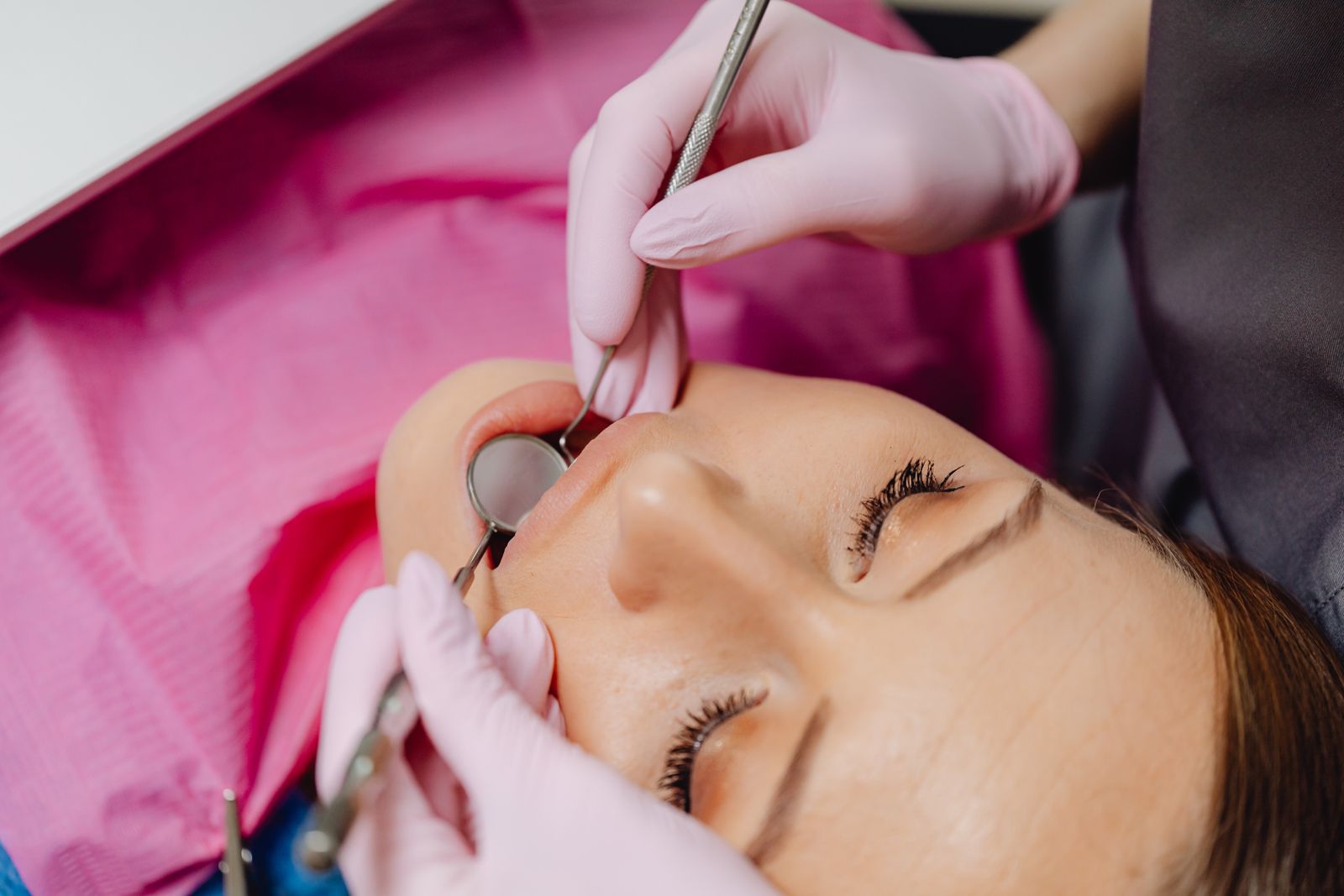
- Examine your teeth for early signs of decay.
- Evaluate your gums and overall oral health.
- Recommend dental X-rays when appropriate.
- Provide professional dental cleanings.
- Discuss fluoride treatments and other preventive options.
- Monitor existing fillings, crowns, and other restorations.
Many patients benefit from dental examinations and cleanings every six months, although some may need more frequent appointments depending on their oral health and risk factors.
Why Choose Serenity Advanced Dentistry for Cavity Treatment?
When it comes to treating tooth decay, early evaluation and personalized care can make an important difference. At Serenity Advanced Dentistry, we believe maintaining a healthy smile starts with understanding each patient’s individual needs.
Patients throughout the region choose our practice for:
- Comprehensive dental care.
- Personalized treatment recommendations.
- Advanced diagnostic technology.
- Preventive and restorative dental services.
- Gentle and compassionate care.
- A patient-focused environment.
- Flexible scheduling and financing options.
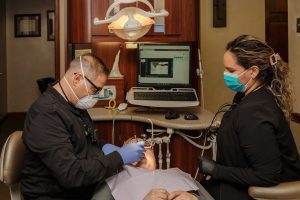
Schedule a Dental Examination in Bethlehem, PA
If you suspect you have a cavity or have noticed changes in your teeth, don’t wait for the problem to become painful. Serenity Advanced Dentistry is here to help you identify dental concerns, explore appropriate treatment options, and protect your smile with personalized care.
When you’re ready to establish care with our trusted dentist, contact our Bethlehem dental office at (610) 866-3161 or our Stroudsburg dental office at (570) 992-2121.